Gastric Cancer Ribbon Embroidery Design Review
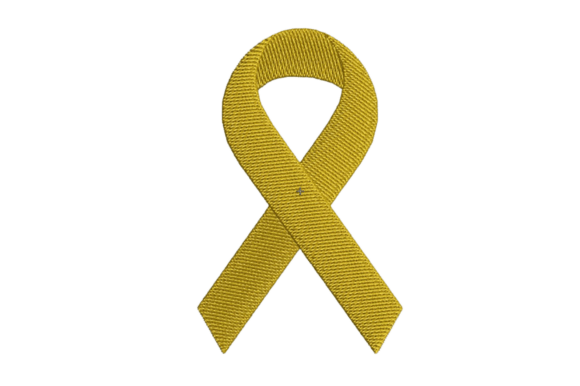
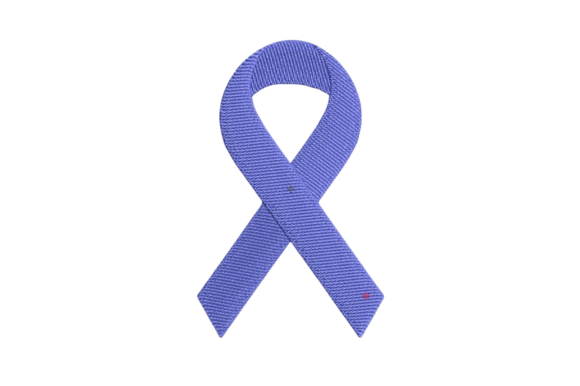
As an embroidery designer who spends weekends manning craft fair booths and managing a small online shop, I have learned that the difference between a design that sits in your digital folder forever and one that flies off the table comes down to three things: visual clarity, emotional resonance, and production practicality. When I first pulled up the Gastric Cancer Ribbon Embroidery Design, my immediate reaction was one of cautious optimism. In a sea of floral patterns, farmhouse quotes, and trendy abstract shapes, awareness ribbons carry a heavy weight. They are not just decorative; they are statements. This particular design features the distinctive light blue ribbon associated with gastric cancer awareness, offering a chance for makers to create meaningful, conversation-starting products.
In this review, I am looking at this file not just as a piece of art, but as a potential craft fair product. Will it stop a passerby? Will it look premium on a tote bag? And most importantly, is it easy enough to produce in batches without causing headaches during long sewing sessions?
First Impressions: Visual Appeal and Market Fit
The moment you see the Gastric Cancer Ribbon Embroidery Design, the aesthetic leans toward elegant and minimal rather than loud or festive. The light blue color palette is soft yet distinct, which works beautifully against neutral backgrounds. For a handmade market, this versatility is gold. It does not clash with busy patterns, nor does it get lost on solid fabrics. It feels like a premium addition to any collection because it respects the viewer’s space while delivering a powerful message.
From a branding perspective, this design helps establish a boutique maker as someone who cares about community and health advocacy. Customers today are increasingly drawn to brands with purpose. Selling items featuring the Gastric Cancer Ribbon Embroidery Design allows you to tap into that desire for connection. Whether you are an Etsy seller targeting niche communities or a local artisan preparing for a summer festival, this design adds depth to your inventory beyond simple decoration.
Product Applications: Where This Design Shines
One of the biggest questions I get from fellow digital sellers is, "What should I embroider?" The beauty of this specific design lies in its adaptability. It can function as a subtle accent or a bold focal point depending on how you scale it. Here is where I see the highest potential for sales:
- Tote Bags: A tote bag design featuring the ribbon placed near the strap or centered on the front is a classic bestseller. The clean lines of the ribbon contrast nicely with canvas textures, making it a perfect small shop product for everyday use.
- Apron Embroidery: For kitchen-focused markets, placing this design on the chest area of a white or navy apron creates a striking look. It transforms a utilitarian item into a gift-worthy piece.
- Tea Towel Embroidery: Linen or cotton tea towels provide a smooth surface that allows the Gastric Cancer Ribbon Embroidery Design to shine. The simplicity of the ribbon ensures it remains legible even after multiple washes, which is crucial for customer satisfaction.
- Embroidered Patches: If your machine supports appliqué or dense stitching, turning this into a sew-on patch opens up a whole new market. These are excellent for adding to denim jackets, backpacks, or hats.
- Caps and Headwear: Curved surfaces can be tricky, but a well-executed ribbon design on the front panel of a baseball cap looks professional. Just ensure your hoop size accommodates the curve without distortion.
- Fabric Pouches and Pillow Covers: Smaller accessories allow buyers to invest at a lower price point. A zippered pouch with this design makes a thoughtful, low-cost gift for someone supporting a loved one.
Production Practicality and Technical Considerations
Before you commit to printing thousands of printable mockups or buying bulk fabric, you need to evaluate the technical side of the embroidery file. As a designer, I always stress the importance of testing before scaling up.
Stitch Density and Clarity: One of the primary concerns with ribbon designs is whether the details hold up at smaller sizes. If the stitch density is too high, the fabric may pucker. If it is too low, the shape may lose definition. You must inspect the stitch density closely. Does the light blue thread blend into white fabric? Or does it pop? Contrast is key. I recommend testing on scrap fabric that matches your final product material to check for thread coverage.
Hoop Size Constraints: Always confirm the recommended hoop size for this design. If it requires a large hoop, your production speed will slow down, affecting your profit margins. Conversely, if it is designed for a small hoop, it might be too limited for certain items like full-size pillow covers. Ensure the design assets fit your workflow efficiently.
Fabric Texture and Stabilizer Choice: The choice of fabric plays a massive role in the final look. On a textured towel, the stitches might sink in slightly, which can actually add charm. However, on slippery synthetics, you risk shifting. Using the right stabilizer is non-negotiable. For lightweight tees, use cut-away stabilizer to prevent distortion over time. For heavier canvas totes, tear-away might suffice, but hooping stability is paramount.
Common Pitfalls to Avoid
- Small Details: If the design includes tiny text or intricate shading within the ribbon, test it at 50% scale. Tiny details often disappear when embroidered, leading to a muddy appearance.
- Dark Fabric Challenges: Light blue thread on dark fabric requires excellent underlay stitching to prevent the fabric color from showing through. If the underlay is insufficient, the ribbon will look translucent and cheap.
- Lack of Batch Consistency: When producing for a craft fair, consistency is everything. Make sure your tension settings are locked in so every single finished product looks identical. A loose stitch on one bag can make the entire batch look unprofessional.
Selling Strategy and Customer Engagement
When displaying these items at a booth, the story matters as much as the stitch work. The Gastric Cancer Ribbon Embroidery Design invites conversation. Train yourself to explain what the light blue ribbon represents. Many customers may not know the significance immediately, and providing that information adds value to the purchase. It turns a simple accessory into a symbol of support.
For your Etsy listings and social media, high-quality photos are essential. Show the design close-up to highlight the quality of the stitches. Use natural lighting to capture the true color of the thread. Since this is a commercial embroidery opportunity, ensure you have the proper licensing rights to sell finished goods. Check the terms of the digital embroidery file carefully. Some licenses restrict the number of units you can sell, while others allow unlimited commercial use.
Final Verdict
The Gastric Cancer Ribbon Embroidery Design is a strong contender for any maker looking to expand their awareness-themed offerings. It balances elegance with purpose, making it suitable for a wide range of products from tea towel embroidery to sophisticated apparel. Its success hinges on proper execution—choosing the right fabric, using adequate stabilizer, and ensuring clear thread contrast.
If you are ready to create something that sells well and means more, this design is worth your time. Test it thoroughly, verify your commercial licensing, and prepare to see it become a staple in your handmade product lineup. Whether you are selling at a weekend fair or shipping globally via Etsy, this design has the potential to resonate deeply with your audience.