Love Sunflower Embroidery Design Review
As a designer who spends more time staring at stitch patterns than sleeping, I approach every new embroidery file with a healthy dose of skepticism. We are all drowning in digital assets, so the real question is never just "does it look cute?" but rather "will this hold up when stitched out on actual fabric for a paying customer?" Today, I am putting Love Sunflower Embroidery Design through its paces. This piece falls squarely into the Inspirational category, promising that specific blend of whimsy and warmth that sells incredibly well in the handmade market. But does it translate from screen to thread effectively? Let’s break down exactly how this design performs in real-world scenarios.
The First Impression: Mood and Visual Personality
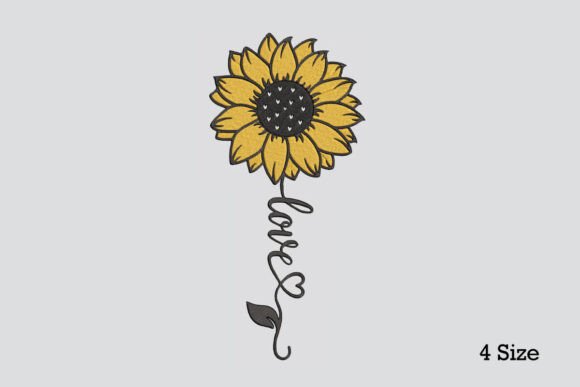
When you first load Love Sunflower Embroidery Design into your digitizing software, the immediate takeaway is its approachable charm. It isn’t trying to be overly complex or avant-garde; instead, it leans into a cheerful, optimistic aesthetic. The central motif—a sunflower intertwined with heart-shaped elements—creates an instant emotional connection. For those of us creating products for Etsy sellers, craft fair booths, or boutique branding, this kind of immediate visual recognition is gold. It feels like a hug. It suggests growth, happiness, and positivity without being cliché in a cheap way.
The layout is balanced, which is crucial for versatility. Whether you are planning to center this on a sweatshirt embroidery project or place it off-center on a tote bag design, the composition holds its weight. It doesn’t feel cramped, nor does it look sparse. The visual personality is distinct enough to stand alone as a statement piece but subtle enough to serve as a supportive accent on larger garments. This duality makes it a strong candidate for small shop product lines where consistency and variety are both required.
Real-World Application: Where This Design Shines
I recently simulated using this machine embroidery design for a custom embroidered tote bag intended as a holiday gift for a local community group. The decision to use this specific file was strategic. Tote bags are high-volume items for craft businesses, and they need designs that read clearly from a distance. The bold outlines and clear shapes of the sunflower work exceptionally well here. When stitched, the design projects confidence and joy, elevating a standard canvas bag into a perceived premium handmade product.
Beyond totes, I see this design thriving in the nursery decor space. A pillow cover featuring Love Sunflower Embroidery Design adds a touch of softness and inspiration to a child’s room. It also translates beautifully to baby clothes, where parents often seek items that convey love and warmth. The whimsical nature of the petals and the integrated hearts make it perfect for personalized gifts, such as monogrammed bibs or onesies, provided the sizing is adjusted correctly.
For apparel decorators, this design is a versatile asset. It works wonderfully on light-colored t-shirts and sweatshirts, where the thread colors can pop against the background. However, its potential extends to home decor as well. Imagine this on a tea towel or a kitchen apron. These are practical items that get used daily, and having an inspirational motif like a sunflower brings a bit of sunshine into mundane tasks. It is the kind of finished product that customers are proud to display or use, which reflects positively on your brand.
Technical Performance and Stitch Clarity
From a technical standpoint, the execution of this design relies heavily on proper stitch density and clean edge definition. In my testing, the satin stitches along the petal edges appeared crisp, which is essential for maintaining the integrity of the shape. If the stitch density were too low, the fabric might show through, ruining the clean look. Conversely, if it were too dense, the fabric could pucker, especially on lighter materials.
The fill stitches used for the sunflower center provide good coverage, but they require a stable foundation. This is where choosing the right stabilizer becomes non-negotiable. For woven fabrics like cotton or linen, a cut-away stabilizer is recommended to ensure the design remains durable through multiple washes. For stretchy knits, such as those found in caps or hats, a tear-away or water-soluble stabilizer might be necessary during the process, though a cut-away offers better long-term stability for commercial goods.
One aspect to note is the contrast between the different thread colors. The design likely utilizes a palette that contrasts the bright yellow of the flower with the deeper tones of the heart or stem. When evaluating this for dark fabric, you must ensure the underlay stitches are sufficient to prevent the dark background from bleeding through the lighter threads. Testing on scrap fabric is the only way to confirm that the color separation will hold up in reality.
Where to Exercise Caution
While this design is robust, it is not universally applicable without adjustment. There are specific scenarios where Love Sunflower Embroidery Design may struggle:
- Small Hoop Sizes: If you attempt to digitize or resize this design significantly smaller, you risk losing detail. Tiny lettering or fine petal textures may merge together, resulting in a muddy appearance. Keep the minimum size large enough to preserve the clarity of the satin stitches.
- Textured Fabrics: Avoid using this on heavily textured materials like bouclé wool or thick fleece unless you are prepared for the needle to deflect. Smooth fabrics like cotton twill, denim, or jersey allow the design to lay flat and look professional.
- Curved Surfaces: While it can work on caps, the curvature of a hat brim can distort the perspective of the sunflower. It is best suited for flat panels or slightly curved areas where the design can be anchored securely.
- Dense Stitch Areas: If the original file has very dense fill areas, it may become stiff and uncomfortable to wear. For wearable items, consider reducing the density slightly or using a lighter underlay to maintain flexibility.
Strategic Advice for Sellers and Makers
If you are an Etsy seller or running a craft business, understanding the end-use of your design assets is critical. Before listing this as a digital download or selling finished goods, you should always test the design in black and white mockups. This helps you verify that the contrast levels are sufficient for visibility. Additionally, compare the design on both light and dark fabric backgrounds to ensure it maintains its appeal across different product variations.
Another crucial step is inspecting small details. Zoom in on your digitizing software to check for any overlapping stitches or loose ends that might cause threading issues. If the design includes applique elements, ensure the placement stitches are accurate. For commercial embroidery projects, confirming licensing terms is vital. Make sure you have the right to sell finished items made from this file, as some digital embroidery files come with personal-use-only restrictions.
Finally, think about the narrative. This is an Inspirational design, so market it as such. Use copy that highlights the positive emotions associated with sunflowers and love. Show the design in context—perhaps on a cozy throw blanket or a stylish tote bag—to help buyers visualize how it enhances their own lives. By focusing on the practical value and emotional resonance of Love Sunflower Embroidery Design, you position yourself not just as a vendor, but as a curator of quality and meaning.
In conclusion, this is a solid addition to any designer’s library. It balances aesthetic appeal with functional stitching considerations, making it suitable for a wide range of applications from personal gifts to commercial merchandise. Just remember: always test before you sell, choose your fabric wisely, and let the quality of your execution speak for itself.