Pom Pom Embroidery Design Review
As an experienced embroidery designer who has spent years refining digital files for commercial production, I approach every new asset with a critical eye. We are not just looking at aesthetics; we are evaluating functionality, brand impact, and manufacturing viability. Today, I am reviewing the Pom Pom Embroidery Design. On the surface, it sounds playful and soft, but in the context of small business merchandise and branded patch use, its true value lies in its versatility and visual warmth. This review breaks down how this machine embroidery design can elevate your product line, from Etsy shops to boutique apparel decorators.
First Impressions: Visual Personality and Brand Fit
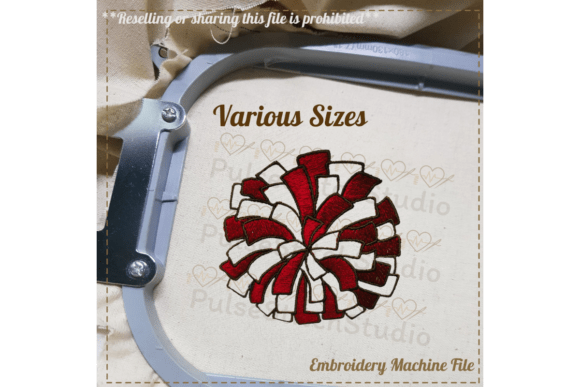
When you first load the Pom Pom Embroidery Design, the immediate feeling is one of approachable charm. The title suggests texture, volume, and a tactile quality that translates surprisingly well into thread work. For brands aiming for a handmade, rustic, or friendly aesthetic, this design hits the mark instantly. It feels less corporate and more community-focused, which is exactly what many modern small businesses strive for.
The versatility mentioned in the description—suitable for pillows, tote bags, jackets, and framed artwork—indicates a balanced composition. It is not overly complex, nor is it so simple that it lacks presence. This balance is crucial for brand identity. A logo or accent that works equally well on a heavy denim jacket and a delicate cotton pillowcase demonstrates a robust embroidery file structure. It signals to the customer that your brand pays attention to detail across all touchpoints, fostering trust and recognition.
Real-World Applications for Small Business Merch
In my experience, the most successful small business merch items are those that offer utility while showcasing craftsmanship. Here is how the Pom Pom Embroidery Design performs in specific commercial scenarios:
- Embroidered Patches: This design excels as a standalone patch. Whether applied to a backpack for a creative studio or a uniform shirt for a local café, the pom-pom motif adds a pop of personality without overwhelming the garment. It serves as a subtle yet effective brand identity marker.
- Tote Bag Designs: Canvas totes are a staple for crafters and bookstores. Using this design on the front pocket or center panel creates a handmade product feel that customers love. It pairs beautifully with simple typography, allowing the texture of the embroidery to take center stage.
- Apron Embroidery: For bakeries, florists, or artisanal food producers, branding on aprons is essential. This design offers a softer alternative to rigid logos. It suggests care and creativity, qualities that resonate with consumers buying from local artisans.
- Cap Embroidery: While caps often feature text-heavy logos, a small, textured accent like a pom-pom design can serve as a unique sleeve detail or a secondary logo placement. It breaks up the monotony of standard cap designs and adds a premium touch.
- Product Packaging Accents: Do not limit yourself to apparel. Sewing this design onto fabric gift tags or packaging boxes elevates the unboxing experience. It transforms a standard package into a finished product that feels curated and special.
Integration with Uniforms and Workwear
For businesses providing staff uniforms, consistency is key. The Pom Pom Embroidery Design can be used as a chest logo accent or a sleeve cuff detail. Its rounded, soft shape contrasts nicely with structured workwear fabrics like twill or polyester blends. When executed correctly, it humanizes the workforce, making staff appear approachable and friendly—a vital trait for hospitality and retail sectors.
Strategic Placement and Usage Considerations
While the design is versatile, not every application is created equal. As a designer, I must advise caution in specific areas to ensure the integrity of the final piece.
Small Patch Sizes: If you plan to digitize this for very small patches (under 2 inches), you must scrutinize the stitch density. Pom-poms rely on texture; if scaled too small, the individual "fluffs" may merge into a muddy blob. Always test at actual size before bulk production.
Curved Surfaces: Embroidering on curved surfaces like the front of a baseball cap requires precise hooping and tension control. The design’s circular nature might distort slightly if the fabric stretches unevenly during stitching. Use a high-quality cut-away stabilizer to maintain shape.
Dark Uniforms and Contrast: Thread color selection is paramount. On dark fabrics, ensure there is sufficient contrast between the thread colors and the background. A light-colored pom-pom on a black shirt will pop, but ensure the outlining stitches are defined enough to prevent the design from getting lost in the fabric weave.
Fabric Texture: Avoid using this design on highly textured fabrics like bouclé or heavy sherpa. The embroidery stitches may struggle to penetrate evenly, leading to skipped stitches or an uneven finish. Stick to smooth to medium-texture fabrics like cotton, canvas, or smooth synthetics for the best results.
Impact on Brand Identity and Customer Trust
Investing in high-quality commercial embroidery sends a message about your business values. A crisp, well-executed Pom Pom Embroidery Design suggests professionalism and pride in your craft. Customers associate detailed embroidery with higher product value. It implies that you have invested time and resources into your offerings, which justifies premium pricing.
Furthermore, visual consistency builds loyalty. By using this design across multiple assets—totes, hats, and packaging—you create a cohesive visual language. This repetition aids in brand recognition, making your products instantly identifiable in a crowded marketplace. For Etsy sellers and digital file buyers, offering this as part of a cohesive design assets package can increase perceived value and encourage repeat purchases.
Practical Designer Notes for Production
Before committing to large-scale production, follow these essential steps to ensure success:
- Test in Black and White: Convert the design to monochrome to check its silhouette. Does it hold its shape? Is the spacing clear? This helps identify any weak points in the digitization.
- Check Hoop Size: Confirm the required hoop size matches your available equipment. Ensure the design fits comfortably within your machine’s maximum stitching area without excessive trimming.
- Review Thread Color Contrast: Simulate different thread combinations. Ensure that the transition between colors is smooth and that no critical details are lost due to low contrast.
- Inspect Stitch Density: High stitch density can cause fabric puckering, especially on lightweight materials. Adjust the underlay stitches if necessary to stabilize the fabric.
- Use Proper Stabilizer: Always match the stabilizer to the fabric weight. Lightweight fabrics need tear-away or wash-away stabilizers, while heavier items like jackets require cut-away stabilizers for durability.
- Create a Printable Mockup: Before cutting fabric, generate a printable mockup to show clients or stakeholders. This allows for approval on placement and scale before any material is wasted.
- Confirm Commercial Licensing: Verify the licensing terms of the digital embroidery file. Ensure you have the right to use the design for resale purposes, especially if you are selling finished goods.
In conclusion, the Pom Pom Embroidery Design is a strong candidate for businesses seeking to add a touch of warmth and professionalism to their merchandise. Its adaptability across various products makes it a valuable addition to any embroidery design library. By paying attention to technical details and strategic placement, you can leverage this design to enhance your brand’s visual appeal and connect more deeply with your customers.