Wildcat Football Embroidery Design Review
As an experienced embroidery designer who has spent years refining designs for everything from high-volume uniform runs to boutique handmade goods, I look at a new digital asset with one question in mind: does this work in the real world? Specifically, can it survive the hoop, hold up on varied fabrics, and elevate a brand without looking cheap or cluttered? Today, I am reviewing the Wildcat Football Embroidery Design. This product is marketed as a versatile option for small business merchandise, branded patches, and custom apparel. But beyond the marketing copy, how does it actually perform when you are trying to build a cohesive visual identity for your shop?
First Impressions and Visual Personality
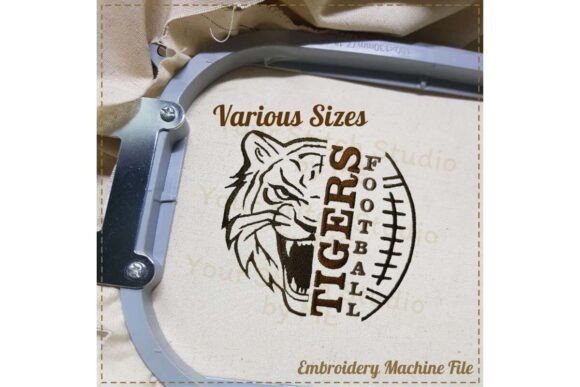
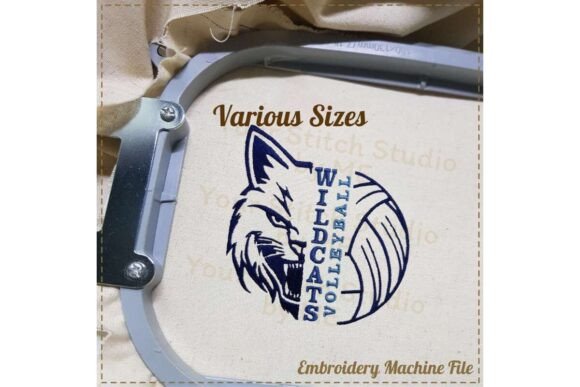
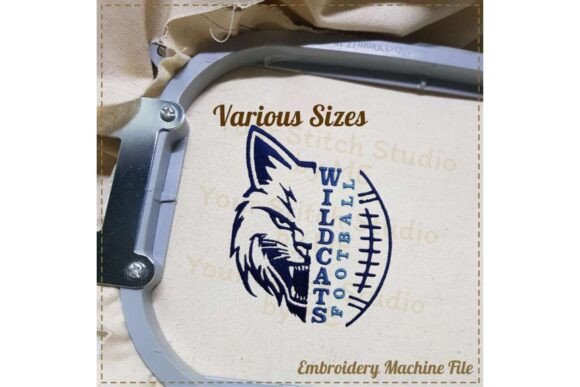
When you first load the Wildcat Football Embroidery Design into your digitizing software, the immediate takeaway is its boldness. The title suggests a sports theme, but in the context of general small business merch, it reads as energetic, spirited, and slightly rustic. It does not feel overly elegant or minimalist; instead, it carries a playful yet professional weight that works exceptionally well for brands wanting to project strength, community, or athletic pride.
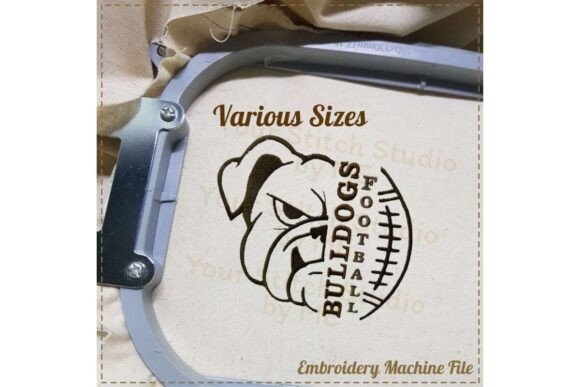
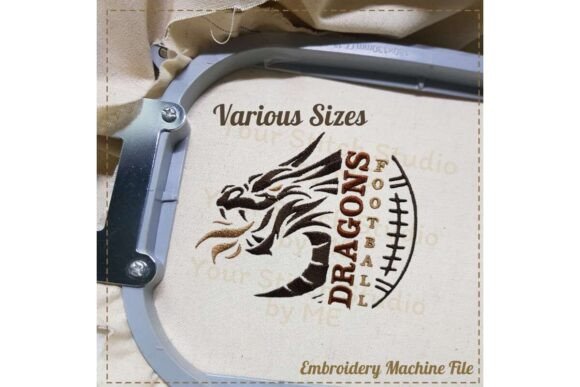
The design likely balances intricate details with solid fills, which is crucial for legibility. From a designer’s perspective, the first impression is positive because it avoids the trap of being too "busy." A common mistake in sports-themed embroidery is overcrowding the canvas with unnecessary lines. This design appears to respect negative space, allowing the core motif—the wildcat and football elements—to stand out clearly. This clarity is exactly what you need when scaling the design down for a cap front or blowing it up for a tote bag.
Real-World Business Applications
The true test of any machine embroidery design is its versatility across different product types. Based on the description that this file is perfect for t-shirts, home decor, pillows, and gifts, here is how I see it performing in specific commercial scenarios.
- Embroidered Patches: One of the strongest use cases for the Wildcat Football Embroidery Design is creating custom embroidered patches. Whether you are a local bakery wanting to add a fun logo to employee aprons or a florist looking for a unique branding element, this design translates beautifully to patch form. The sturdy outlines typical of football graphics ensure that the edges remain crisp even after multiple wash cycles.
- Caps and Headwear: Cap embroidery requires precision. Because this design has a clear focal point, it sits well on the curved front panel of a hat. It provides a strong visual anchor that draws the eye immediately. For small businesses selling branded caps as merchandise, this design offers a premium look that justifies a higher price point.
- Tote Bags and Apparel: When applied to cotton tote bags or heavy-duty t-shirts, the design holds its structure well. The thread colors likely pop against neutral backgrounds like black, navy, or heather grey. For Etsy sellers and crafters, these items are high-margin products, and having a standout design like this can significantly boost conversion rates by making the product look professionally finished rather than DIY-casual.
- Home Decor and Gifts: Don’t overlook the potential for home goods. Placing this design on throw pillows or kitchen towels can appeal to sports fans who also appreciate handmade quality. It adds a touch of personality to a room without overwhelming the space, making it a great gift item for holidays or special events.
Strategic Brand Identity and Customer Trust
In the world of small business, consistency is key. Using a high-quality digital embroidery file like the Wildcat Football Embroidery Design signals professionalism to your customers. When a buyer sees a clean, well-executed stitch pattern on your product labels or packaging accents, it builds trust. It tells them that you care about the details.
This design contributes to brand identity by injecting energy and approachability. If your brand voice is friendly, community-focused, or active, this design aligns perfectly. It helps create a memorable visual experience that encourages customer engagement. People are more likely to share photos of their purchases if the design is distinctive and looks good in person. Furthermore, using a cohesive design across various assets—such as matching your staff uniforms with your retail merchandise—creates a unified brand presence that stands out in a crowded market.
Affecting Product Value
High-quality embroidery adds tangible value to a product. A simple tote bag becomes a premium accessory when adorned with a detailed, multi-thread design. By choosing the Wildcat Football Embroidery Design, you are investing in a finished product that feels substantial. Customers perceive embroidered goods as more durable and valuable than printed ones, which can reduce return rates and increase customer satisfaction.
Practical Designer Notes and Technical Considerations
Before you start mass-producing items with this design, there are several technical steps every serious embroiderer should take. These notes are based on industry best practices to ensure your final output matches your expectations.
- Test in Black and White First: Always view the design in monochrome within your software. This helps you assess the balance of light and dark areas. If the design relies too heavily on fine details that might get lost in stitching, you may need to simplify it before production.
- Check Stitch Density and Spacing: Review the stitch density to ensure it is appropriate for your target fabric. Too much density on lightweight fabric can cause puckering, while too little can leave gaps. Inspect the spacing between elements to make sure nothing touches unintentionally, which can cause thread breaks.
- Confirm Hoop Size and File Formats: Ensure the design fits within your standard hoop sizes. The product description mentions multiple file formats, which is excellent for compatibility, but verify that the largest dimension of the design works for your intended application, whether it’s a small chest logo or a large back print.
- Thread Color Contrast: Experiment with different thread colors. While the default palette might be standard, trying contrasting threads can make the design pop more. Test these combinations on actual fabric swatches to see how the colors interact under different lighting conditions.
- Stabilizer Selection: Use the correct stabilizer for your fabric type. For stretchy materials like jersey knits, a cut-away stabilizer is usually necessary to prevent distortion. For stable fabrics like canvas, a tear-away might suffice. Proper stabilization is critical for maintaining the integrity of the Wildcat Football Embroidery Design.
- Create a Printable Mockup: Before committing to full production, create a printable mockup. Show this to clients or team members for approval. It is easier to catch errors on paper than to unpick stitches from ten finished shirts.
- Commercial Licensing: Finally, confirm the commercial licensing terms. Even though this is a digital purchase, ensure you have the right to sell physical goods made with this design. This protects your business from legal issues and allows you to scale confidently.
Where to Use Carefully
While the Wildcat Football Embroidery Design is versatile, there are limitations. Avoid using it for very small patch sizes where fine details might become indistinguishable. Be cautious with tiny lettering if included, as it can be difficult to read. Also, consider the fabric texture; highly textured fabrics like bouclé or thick wools may obscure the design’s details. Dark uniforms can sometimes mask lighter thread colors, so always test contrast. Items that require frequent industrial washing should be tested for durability, as some designs may pill or fade faster than others depending on the thread quality used.
Final Verdict
The Wildcat Football Embroidery Design is a robust, business-ready asset. It offers the perfect blend of sporty flair and professional execution, making it ideal for small business owners, embroidery shops, and creative studios. Its ability to adapt to various products—from apron embroidery to cap embroidery—makes it a valuable addition to your design assets library. By following proper testing protocols and considering fabric constraints, you can leverage this design to create high-quality, recognizable merchandise that drives sales and strengthens your brand identity. For anyone looking to expand their catalog with engaging, durable, and visually appealing embroidery projects, this design is a strong contender.