Horse Flying Embroidery Design Review
As an embroidery designer who spends weekends hunched over a table at craft fairs, I know that the difference between a design that sits on the shelf and one that sells out by noon often comes down to visual impact. You are not just selling a stitch pattern; you are selling a moment of connection for the customer holding your product. Today, I am reviewing the Horse Flying Embroidery Design, a piece described as adding an "elegant touch" with a majestic winged horse motif. For those of us in the handmade market, this is exactly the kind of asset that can elevate a standard craft fair product into something memorable.
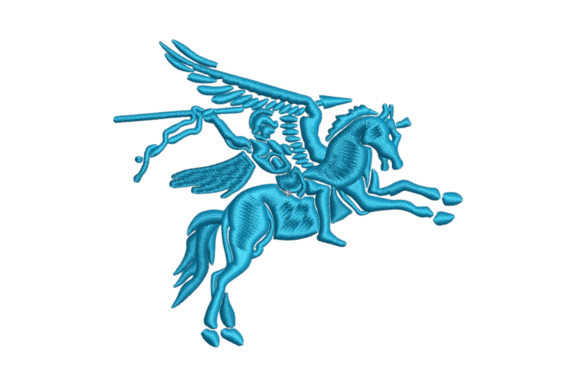
When I first look at the title and description, my immediate reaction is one of fantasy meets classic elegance. The concept of a flying horse—often associated with Pegasus or mythological grace—suggests a design that is neither purely rustic nor strictly modern. It leans toward decorative and premium. In a booth setting, where hundreds of items compete for attention, this level of thematic depth helps a product stand out. It appeals to the dreamer in the customer, making it highly suitable for handmade gift categories and boutique collections.
First Impressions and Visual Appeal
The phrase "majestic winged horse" implies a design that likely features flowing lines and dynamic movement. From a designer’s perspective, this suggests a strong focal point. When customers walk past a booth, they are drawn to designs that tell a story instantly. A static horse might feel traditional, but a flying horse adds motion, which catches the eye. This makes the Horse Flying Embroidery Design an excellent candidate for tote bag design projects, where the movement of the garment mirrors the movement of the art.
I envision this design having high visual appeal on neutral backgrounds. The elegance mentioned in the description works best when contrasted against clean fabrics. Whether you are targeting an Etsy seller looking for digital assets or a small shop owner creating physical inventory, this design promises to add a layer of sophistication that elevates the perceived value of the finished product. It feels less like a novelty item and more like a piece of wearable or usable art.
Product Applications and Market Fit
To determine if this embroidery file will drive sales, we must look at where it performs best. Based on its elegant nature, here is how I would deploy it across various small shop product lines:
- Tote Bags and Market Bags: These are the bread and butter of craft fairs. A Horse Flying Embroidery Design centered on a canvas tote creates an instant statement piece. The wings allow for a wider placement area, filling the bag beautifully without looking cramped. This is ideal for commercial embroidery batches because the design is recognizable even from a distance.
- Apron Embroidery: Placing this design on the bib of a kitchen apron adds a touch of whimsy to everyday cooking. It transforms a utilitarian item into a cherished kitchen tool. The "elegant" descriptor ensures it fits well in farmhouse-style kitchens, appealing to a broad demographic.
- Tea Towel Embroidery: For smaller, impulse-buy price points, this design works wonderfully on tea towels. However, caution is advised here regarding scale. If the design is too complex, it may lose detail on a narrow towel. Test this carefully to ensure the wings remain distinct.
- Embroidered Patch: Converting this into a detachable patch allows for versatility. Customers can attach it to denim jackets, backpacks, or hats. This increases the utility of the design assets and appeals to younger demographics who love customizing their gear.
- Caps and Beanies: Curved surfaces present a challenge. Ensure the design scales down well for a cap front panel. The flying motif might get lost if the curve distorts the wings, so a smaller, simplified version might be necessary for headwear.
Production Practicality and Technical Considerations
As a professional, I don’t just look at the image; I look at the engineering. Before committing to production runs, there are several technical factors to evaluate with the Horse Flying Embroidery Design.
Stitch Density and Detail: The description mentions "majestic" details. Winged creatures often require fine satin stitches or intricate fill patterns to render feathers. High stitch density can make fabric stiff, which is undesirable for soft cotton aprons or delicate pillow covers. You must check if the design uses too many layers of thread, which could cause puckering on lightweight fabrics. Always inspect the stitch count relative to the hoop size to ensure efficient production times.
Fabric Texture and Contrast: Embroidery relies heavily on contrast. On dark fabrics, you will need a heavy underlay or stabilizer to prevent the threads from sinking into the weave. Conversely, on textured fabrics like burlap or heavy linen, tiny details in the wings may disappear. I recommend testing this machine embroidery design on the exact fabric you intend to sell. If the fabric has a loose weave, use a cut-away stabilizer to maintain clarity.
Scalability: One of the biggest mistakes sellers make is assuming a design looks good at every size. A design that reads clearly at 5 inches may become a muddy blob at 3 inches. Evaluate whether the Horse Flying Embroidery Design retains its identity when reduced for small pouches or keychains. If the wings become indistinguishable, it is better to reserve the full design for larger items like tote bags and pillow covers.
Selling Strategy and Booth Display
For craft fair sellers, presentation is everything. The Horse Flying Embroidery Design offers a unique opportunity for cohesive branding. Imagine a display featuring matching sets: a tote bag, a coordinating apron, and a set of tea towels, all featuring the same majestic horse. This repetition reinforces brand consistency and encourages multi-item purchases.
Photography is also crucial for Etsy sellers and online listings. This design lends itself well to lifestyle photography. Photograph the apron on a model in a bright kitchen, or the tote bag held against a backdrop of flowers to emphasize the "flying" and "natural" themes. Use printable mockup tools to create high-quality images before you even sew the first sample. This allows you to test different color combinations and see how the design interacts with various background colors.
Furthermore, consider the emotional resonance of the product. A flying horse symbolizes freedom, dreams, and strength. These are powerful selling points. When writing your product descriptions, highlight these symbolic meanings. Connect the embroidery file to the buyer’s desire for something special and uplifting. This transforms a simple piece of cloth into a meaningful handmade product.
Final Designer Notes and Recommendations
Before you rush to produce inventory, follow these essential steps to ensure quality and profitability:
- Test on Scrap Fabric: Never skip this step. Run the design through your machine on the actual fabric you plan to sell. Check for thread breaks, tension issues, and overall aesthetic balance.
- Check Stabilizer Compatibility: Different fabrics require different stabilizers. A light tear-away might suffice for a tote bag, but a heavy-duty cut-away may be needed for an apron to prevent distortion after washing.
- Review Thread Colors: The elegance of the design depends on your thread choice. Experiment with metallic threads for the wings to catch the light, or stick to solid, rich colors for a classic look. Ensure there is enough contrast between the thread and the fabric.
- Confirm Commercial Licensing: This is critical. Verify that you have the right to sell finished products made with this digital embroidery file. Some licenses restrict the number of items you can sell or prohibit resale entirely. Protect your business by reading the fine print.
- Create Real Mockups: Don’t rely solely on digital previews. Sew at least one complete product to assess the tactile quality. Does it feel premium? Is the stitching smooth? Your hands-on experience will inform your final decision.
In conclusion, the Horse Flying Embroidery Design holds significant potential for craft fair vendors and online artisans. Its elegant, majestic theme offers a versatile foundation for a wide range of products, from practical kitchen goods to fashionable accessories. By paying close attention to technical details like stitch density and fabric choice, and by marketing the emotional value of the design, you can create a standout collection that resonates with customers. It is a design that doesn’t just sit on the fabric; it brings a sense of flight and fantasy to every finished product.