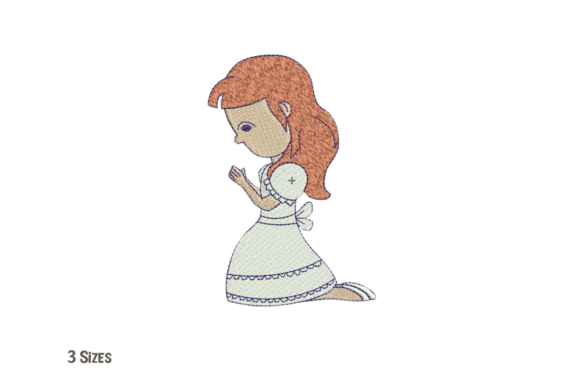
Praying Girl Machine Embroidery Design
As an embroidery designer who has spent years translating digital concepts into tangible textile art, I approach every new file with a critical eye. We are not just looking for something that looks nice on a screen; we are looking for production viability, brand alignment, and customer appeal. When I first reviewed the Praying Girl Machine Embroidery Design, my immediate thought was about its potential in the growing market of faith-based merchandise and gentle, heartfelt branding. This design is not merely decorative; it carries an emotional weight that can elevate a small business’s product line from generic to meaningful.
First Impressions: A Study in Gentle Professionalism
The title alone suggests a narrative. "Praying Girl" evokes themes of innocence, hope, and tranquility. From a design perspective, this translates to a visual personality that is likely elegant, classic, and perhaps slightly rustic or handmade in feel. It avoids the harshness of bold, aggressive graphics, opting instead for soft lines and a composition that invites closer inspection. For a small business owner—whether you run a boutique bakery, a handmade jewelry shop, or a children’s apparel brand—this aesthetic aligns perfectly with brands that value warmth and authenticity.
The description notes that it brings a "gentle and heartwarming touch," which is a strong selling point for targeted demographics. In the world of embroidery, subtlety often screams quality. A design that feels premium without being ostentatious allows the craftsmanship to speak for itself. This machine embroidery design appears to strike a balance between detailed enough to be interesting and simple enough to reproduce consistently across different garments and accessories.
Real-World Business Applications
So, where does this embroidery file fit into your commercial strategy? Let’s look at practical scenarios for small business merch and branded items.
- Embroidered Patches: One of the most lucrative uses for designs like this is creating branded patches. The "Praying Girl" motif works beautifully as a chest logo on denim jackets, tote bags, or even as a standalone patch sold as an accessory. Its gentle nature makes it suitable for all ages, expanding your potential customer base.
- Apron Embroidery: For bakeries, florists, or craft studios, custom aprons are essential. Placing this design on the pocket or chest area of a white or natural linen apron adds a layer of personal connection. It tells the customer that the person serving them cares about details and values tradition.
- Cap Embroidery: Caps are a staple of small business merch. However, curved surfaces present challenges. If the design scales well, it could serve as a subtle side-panel accent or a central front motif on beanies or structured caps, particularly for brands targeting a younger, feminine demographic.
- Tote Bag Design: Canvas totes are ubiquitous, but they offer a large, flat canvas for impact. Using this design as a focal point on a high-quality canvas bag elevates the perceived value of the item, making it a desirable gift or promotional tool.
- Product Packaging Accents: Beyond clothing, consider stitching this onto tags, hang-tags, or fabric labels attached to your products. A small embroidered detail on packaging creates a tactile experience that customers remember, fostering brand loyalty.
Brand Identity and Customer Trust
In the digital age, physical touchpoints are rare. Embroidery provides that luxury. By using a design with such positive connotations, you are signaling to your customers that your brand stands for something wholesome. This enhances brand identity by creating a visual consistency that feels trustworthy and professional. When a customer sees a finely stitched "Praying Girl" on a product, they associate that precision with the quality of your core offerings. It suggests attention to detail, which is crucial for converting browsers into buyers.
Technical Considerations and Risk Management
While the aesthetic appeal is clear, a professional review must address the technical realities of production. Not every design translates flawlessly to every surface. Here is what you need to watch out for when integrating this digital embroidery file into your workflow.
- Small Patch Sizes: If you plan to use this as a small accent, you must ensure the design retains its integrity at reduced scales. Intricate details may merge into blobs if the stitch count is too high for the size. Always test at 50% or smaller to check legibility.
- Curved Surfaces: Embroidering on caps or sleeves requires careful hooping and potentially specialized attachments. Designs with long, sweeping lines can distort on curves. Check the stitch density and direction to ensure the fabric doesn pucker.
- Fabric Texture and Color: The success of this design relies heavily on contrast. On dark uniforms or textured fabrics, fine outlines might disappear. Conversely, on light fabrics, dark thread colors will pop, but you must ensure the background fabric doesn’t show through the stitches. Lighter, pastel threads might be necessary for a softer look, depending on your brand palette.
- High Stitch Density: Dense areas can make fabric stiff, which is undesirable for soft apparel like baby clothes or lightweight tees. Evaluate whether the design’s density aligns with the comfort requirements of your end product.
Practical Designer Notes for Production
Before you commit to a large print run or start listing these items on Etsy, follow these steps to protect your investment and reputation.
- Test in Black and White: Print a monochrome version of the design to evaluate its silhouette and balance without the distraction of color.
- Check Hoop Size: Confirm the required hoop size matches your machine’s capabilities and the dimensions of the product you intend to embroider. A design that requires a large hoop might be impractical for small items like socks or tiny hats.
- Stabilizer Selection: Use the appropriate stabilizer for your fabric type. A heavy cut-away stabilizer might be needed for knits to prevent distortion, while a tear-away might suffice for wovens. Improper stabilization is the leading cause of poor embroidery quality.
- Create a Printable Mockup: Before sewing, create a printable mockup or a digital simulation to show clients or stakeholders. This helps manage expectations regarding scale and placement.
- Commercial Licensing: This is critical. Ensure you have the proper commercial license to sell products made with this design asset. Many digital files are for personal use only. Verify the terms before you produce any inventory.
- Thread Color Contrast: Review the suggested thread colors. Do they match your brand guidelines? Can you source these specific threads easily? Consistency in thread availability is key for repeat orders.
Final Verdict
The Praying Girl Machine Embroidery Design offers a compelling option for businesses aiming to infuse their merchandise with warmth and character. Its suitability for various textiles, including .DST, .HUS, .JEF, and .PES formats, ensures compatibility with most industrial and home machines. However, success lies in the execution. By carefully considering placement, fabric choice, and technical constraints, you can transform this digital file into a powerful tool for commercial embroidery projects.
For the savvy entrepreneur, this design is more than just a picture of a girl praying; it is a vehicle for storytelling. It connects with customers on an emotional level, encouraging them to choose your brand over competitors who rely solely on price. Whether used on a humble tote bag or a premium uniform, the key is to treat the embroidery with the same respect you would give any other aspect of your brand identity. Test thoroughly, produce carefully, and let the quality of your work speak for itself.