Cheetah and the Girl Machine Embroidery Review
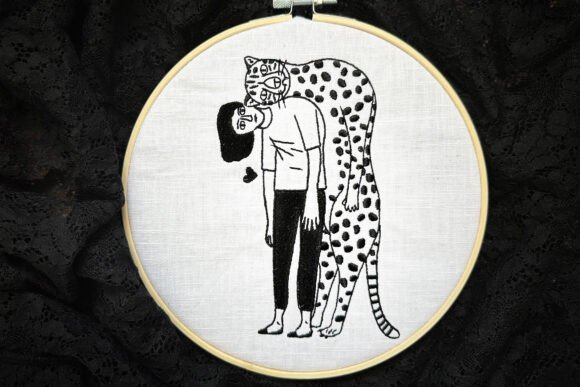
If you are preparing for a busy weekend craft fair or refreshing your Etsy seller inventory, the visual impact of your handmade product is everything. As an experienced embroidery designer, I spend hours evaluating digital files not just for their artistic merit, but for their commercial viability. Today, I am reviewing a specific machine embroidery design titled "Cheetah and the Girl." This digital embroidery file features a modern, chic depiction of a leopard and a girl hugging. It falls under the Wild Animals category but carries a distinct emotional weight that can set your booth apart from the sea of generic patterns.
First Impressions: Modern Chic Meets Emotional Connection
The title "Cheetah and the Girl" might initially suggest a rustic or farmhouse aesthetic, but the description clarifies that this is a modern, chic, and trendy piece. In my experience, "chic" in embroidery usually means clean lines, balanced negative space, and a color palette that feels elevated rather than cartoonish. When I first loaded this embroidery file into my hoop, the immediate impression was one of warmth and sophistication.
Unlike typical wild animal designs that can feel aggressive or overly detailed, this composition focuses on the bond between the human and the animal. The hugging pose creates a natural focal point that draws the eye. For a craft fair product, this emotional resonance is key. Customers do not just buy fabric; they buy feelings. A design that conveys love, protection, and nature’s beauty stands out significantly more than a standalone animal portrait. It feels premium, decorative, and highly giftable, making it an excellent candidate for commercial embroidery projects aimed at boutique makers.
Product Application: Where Does This Design Shine?
Not every design asset works equally well on every substrate. To maximize sales, you must match the scale and detail of the "Cheetah and the Girl" design to the right handmade product. Here is how I see it performing across various categories:
- Tote Bag Design: This is perhaps the strongest application. A large canvas tote bag provides ample flat surface area for the full composition. The contrast of the embroidery against sturdy cotton or canvas allows the thread colors to pop. It transforms a basic accessory into a statement piece, perfect for the eco-conscious shopper at a market.
- Apron Embroidery: Placing the design on the bib or pocket of a kitchen apron adds a touch of personality to functional wear. Because the design is "chic," it appeals to home cooks who want their kitchen gear to look Instagram-worthy. Ensure the placement is centered to maintain balance.
- Tea Towel Embroidery: For a lower price point item, a smaller version of this design on a linen tea towel can be very effective. However, be cautious with size. If the design is too small, you may lose the delicate details of the hug. Use this as an accent rather than a focal point if scaling down.
- Embroidered Patch: Creating a detachable patch from this design is a smart strategy. Patches allow customers to personalize jackets, backpacks, or hats. This versatility increases the perceived value of the small shop product.
- Pillow Covers: A square pillow cover offers a perfect frame for the hugging figures. This appeals to the home decor segment of your audience, bridging the gap between textile art and interior design.
Production Practicality and Visual Appeal
From a production standpoint, efficiency is money. A good machine embroidery design should be repeatable without causing fatigue or errors. The "Cheetah and the Girl" design appears to have a clear structure, which aids in batch production. When photographing these items for your online listings or creating a printable mockup for social media, the design’s modern aesthetic ensures it looks high-end.
Consider the stitch density. Designs with moderate density tend to run faster and consume less thread, improving your profit margins. If the cheetah’s spots or the girl’s hair require extremely dense stitching, production time will increase. Always check the hoop size requirements before committing to large runs. A standard 5x7 or 6x10 hoop is ideal for most apparel and home goods, ensuring you aren’t limited to niche products.
The visual appeal of this design lies in its simplicity and emotion. At a craft fair, passersby often glance at displays from a distance. A complex, tiny design might get lost in the noise. This design, with its central hugging motif, reads clearly even from a few feet away. It stops traffic. It invites questions. And in the world of handmade markets, conversation leads to sales.
Important Considerations for Fabric and Texture
While the design is charming, certain fabrics can challenge any embroidery file. Avoid heavily textured towels or thick, nubby fabrics where the needle might struggle to penetrate cleanly. Smooth cottons, linens, and blends work best to preserve the crispness of the lines. Also, be mindful of dark fabrics. If the design relies on light-colored threads for highlights, ensure you have enough contrast. A stabilizer is non-negotiable here; using the wrong backing can cause puckering, which ruins the "chic" look entirely.
Designer’s Checklist: Before You Sell
Before you commit to producing a batch of finished products, follow these essential steps to ensure quality and avoid costly mistakes:
- Test on Scrap Fabric: Never go straight to your final product. Run the design on scraps of the exact fabric you plan to sell. Check for thread breaks, tension issues, and how the colors interact with the material.
- Check Thread Contrast: Evaluate the thread colors against your chosen fabric. Low contrast can make the design look muddy. High contrast enhances visibility and appeal.
- Inspect Stitch Density: Look closely at the stitch patterns. Are there areas that are too dense? Too sparse? Adjustments in the digitizing software might be needed for optimal results.
- Confirm Hoop Size: Verify the maximum dimensions of the design to ensure it fits your available hoops and product types.
- Create Real Mockups: Produce at least one real sample. Photograph it in natural light. See how it looks when worn or used. This helps you identify any practical flaws before mass production.
- Verify Commercial Licensing: This is critical. Ensure you have the proper license to sell finished products made from this digital embroidery file. Without commercial rights, you risk legal issues and fines.
Final Verdict
"Cheetah and the Girl" is more than just a cute pattern; it is a versatile embroidery design with strong commercial potential. Its modern, chic aesthetic makes it suitable for a wide range of handmade products, from everyday totes to special gifts. By understanding its strengths and respecting the technical requirements of machine embroidery, you can create a standout collection that resonates with craft fair shoppers and online buyers alike. Focus on quality execution, choose the right substrates, and let the emotional connection of the design do the selling.