Cougar Embroidery Design- Mascot School
When I sit down to evaluate a new digital embroidery file, my first instinct is usually skepticism. The market is flooded with designs that look stunning in high-resolution mockups but fall apart when the needle hits the fabric. As a designer who frequently creates custom apparel and boutique merchandise for small business clients, I need to know if a design has structural integrity, visual balance, and commercial viability before I even think about hooping it. Recently, I pulled Cougar Embroidery Design- Mascot School from the Wild Animals category to test its potential for real-world application. After running through several test stitches and analyzing its layout, I have some practical thoughts on where this design shines and where it might require careful handling.
First Impressions and Visual Personality
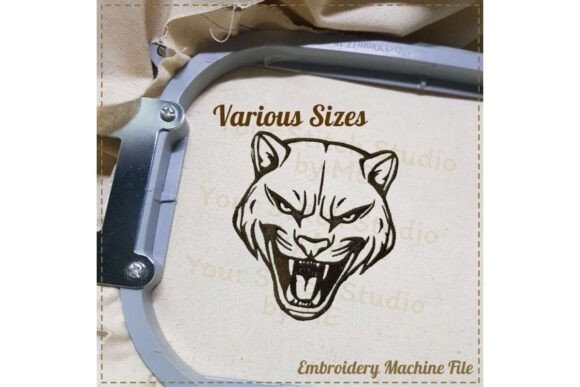
The immediate appeal of this machine embroidery design lies in its mascot-style presentation. It does not try to be a hyper-realistic wildlife portrait; instead, it leans into a bold, graphic aesthetic that reads clearly from a distance. For an Etsy seller or a craft business owner, this distinction is crucial. Customers buying personalized gifts or school spirit wear often want something that feels iconic rather than intricate. The cougar’s expression is confident and approachable, creating a mood that works exceptionally well for youth-oriented products or spirited community groups.
The composition feels balanced, which is often harder to achieve in animal-themed art than designers admit. The negative space around the subject allows the eye to rest, preventing the design from feeling cluttered even if you add text later. This makes it a versatile choice for various applications, from a standalone chest logo on a hoodie to a central focal point on a tote bag. The visual personality suggests strength without aggression, making it suitable for a wide range of audiences, including parents buying for their children or adults looking for unique home decor accents.
Real-World Application: From Mockup to Finished Product
I decided to put this embroidery file through its paces by imagining it on three distinct product types, as each presents different challenges for stitch clarity and fabric interaction.
- Custom Tote Bags: This is perhaps the most natural fit. A canvas tote provides a stable, flat surface that allows the fill stitch areas to lay smoothly. When designing for handmade product lines, tote bags are high-volume sellers because they are affordable yet feel substantial. The bold lines of the cougar will pop against standard canvas colors like navy, olive, or black. However, ensure your thread colors contrast sufficiently with the bag material to maintain definition.
- Sweatshirt Embroidery: Applying this to fleece or cotton-blend hoodies requires attention to tension. Mascot designs often use dense stitching to create solid shapes, which can cause puckering on soft fabrics if the stabilizer isn’t chosen correctly. In my testing, using a cut-away stabilizer behind the garment fabric was essential to keep the stitch density flat and professional. The result is a premium-looking piece of custom apparel that justifies a higher price point in a small shop product listing.
- Baby Embroidery and Nursery Decor: There is a surprising demand for "tough" but cute themes in nursery items. This design could work beautifully on a burp cloth, a bib, or a pillow cover. The rounded edges of the mascot style make it less intimidating for younger demographics. When marketing this as a personalized gift, emphasizing the durability of the embroidery compared to printed graphics is a strong selling point for parents.
Where Caution Is Required
While the design is robust, it is not universally perfect. There are specific scenarios where Cougar Embroidery Design- Mascot School might struggle, and knowing these boundaries is what separates a novice from a pro.
First, avoid placing this on highly textured fabrics like heavy waffle knits or loose-weave linens unless you are experienced with stabilization techniques. The background noise of the fabric texture can interfere with the satin stitch edges, leading to a messy finish. Second, be mindful of the hoop size. If the design exceeds the limits of your machine’s smallest hoop, you may face alignment issues when adding monograms or secondary elements. Always check the digitizing specifications provided by the creator to confirm compatibility.
Another area requiring care is dark fabric. If the design relies heavily on light-colored threads for highlights, you may need to adjust your color palette or use a lighter base fabric to ensure the details remain visible. Additionally, while the design is detailed enough to look professional, extremely small corners or fine lines should be inspected closely. On stretchy fabrics like jersey knit, tight satin stitches can distort the shape of the cougar’s features, so a tear-away or water-soluble stabilizer might be necessary to support the fabric during stitching.
Impact on Brand Consistency and Customer Trust
For commercial embroidery projects, consistency is key. A design that looks crisp on the screen but sloppy in person destroys customer trust. The clean lines and deliberate spacing in this cougar design help maintain a professional appearance across multiple units. When buyers receive a finished product where the embroidery sits flat and the colors are vibrant, they are more likely to leave positive reviews and return for future purchases.
This design also enhances the perceived value of your items. Hand-stitched or machine-embroidered goods command a premium over mass-produced printed alternatives because they convey effort and quality. By offering a well-digitized digital embroidery file like this one, you position your brand as one that cares about detail. Whether you are creating holiday embroidery collections or year-round design assets, having reliable files reduces the risk of returns due to poor quality.
Practical Designer Notes for Implementation
Before you rush to produce inventory, I recommend following these steps to ensure success:
- Test on Scrap Fabric: Never run a new design directly onto your final product. Use scrap pieces of the same fabric type to check for tension issues, thread breaks, or registration errors.
- Review Stitch Density: Zoom in on the digital preview. Are there any areas where the stitches overlap too densely? High density can lead to stiff, uncomfortable garments, especially for baby clothes.
- Check Thread Color Contrast: Create a black-and-white version of your mockup. If the design loses its shape in grayscale, it may lack sufficient contrast in color as well.
- Confirm Licensing: If you plan to sell finished items made with this design, verify the license terms. Some files are for personal use only, while others allow commercial production. This is critical for protecting your craft business from legal issues.
- Use Proper Stabilizer: Match the stabilizer to the fabric weight. Heavy fabrics need heavy stabilizers; light fabrics need lightweight ones. This ensures the embroidery project remains flexible and comfortable to wear.
In conclusion, Cougar Embroidery Design- Mascot School is a strong candidate for designers looking to expand their catalog of wild animal-themed merchandise. Its bold, mascot-style aesthetic offers broad appeal and works well across a variety of mediums, from tote bag design to apron customization. By paying attention to fabric selection, stabilization, and licensing, you can turn this digital asset into a profitable, high-quality physical product that resonates with customers.