Teddy Bear Embroidery Design Review
As an embroidery designer who spends hours agonizing over stitch direction and thread tension, I don’t just buy designs; I test them. Recently, I was preparing a limited-edition sweatshirt drop for a small boutique brand that specializes in cozy, nostalgic apparel. The goal was to create a handmade product line that felt premium yet accessible. That is when I encountered the Teddy Bear Embroidery Design. This review breaks down how this specific piece holds up under the scrutiny of commercial production, focusing on its potential for sweatshirt embroidery and broader apparel applications.
First Impressions: Mood and Aesthetic
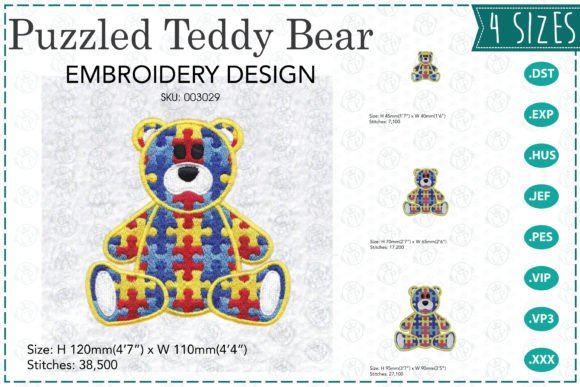
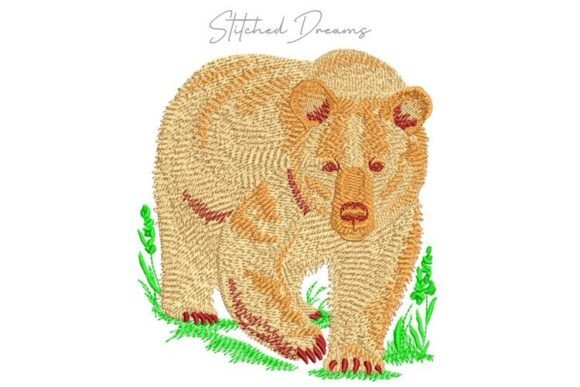
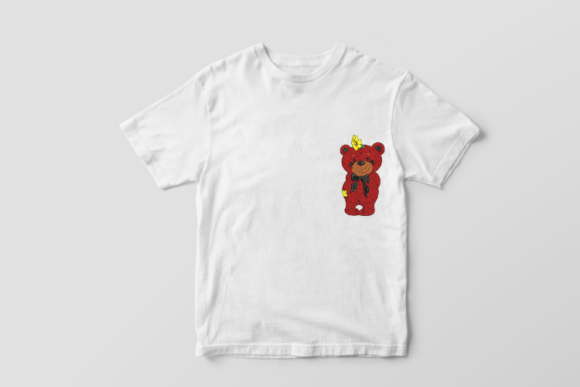
The moment you load the file into your digitizing software, the personality of the Teddy Bear Embroidery Design shines through. It isn’t just a generic bear; it carries a sweet expression that immediately evokes warmth and comfort. For a boutique brand looking to capture the heart of their customer base, this design hits the right emotional notes. It feels playful but not childish, making it versatile enough for both baby clothes and adult-centric lifestyle apparel.
The layout is clean and balanced. In my experience, cluttered designs often get lost on thick fabrics like fleece or heavy cotton blends. However, this design maintains a clear focal point. Whether you are aiming for a minimal look or something more decorative, the core image stands strong. It strikes a balance between cute and bold, which is essential for standing out in a crowded marketplace like Etsy. When viewed as a finished product, it suggests high-quality craftsmanship rather than a quick, disposable print.
Application on Sweatshirts and Hoodies
Sweatshirt embroidery presents unique challenges due to fabric thickness and texture. Here is how the Teddy Bear Embroidery Design performs across different garment types:
- Neutral Sweatshirts: On heather grey or oatmeal-colored tees, the design pops without overwhelming the garment. The soft tones complement the natural aesthetic of many small shop products.
- Dark Fabric: When placed on charcoal or navy hoodies, the contrast becomes striking. This is where the choice of thread colors becomes critical. Lighter threads will create a vintage, distressed look, while bright whites offer a crisp, modern contrast.
- Pastel Colors: Soft pinks, blues, and lavenders enhance the "cute" factor. This combination is particularly effective for gender-neutral baby collections or spring-themed drops.
- Oversized Hoodies: For oversized fits, chest placement works best. The design’s proportions seem well-calibrated for standard chest hoops, ensuring it doesn’t look too small against the vast canvas of an oversized silhouette.
I also considered back designs. While the primary focus is likely the chest, the simplicity of the bear allows it to serve as a standalone statement on the back of a hoodie. This adds value to the custom apparel, making it feel like a complete outfit rather than just a logo placement.
Stitch Density and Fabric Texture
One of the first things I check in any embroidery file is the stitch density. Too dense, and the sweatshirt fabric will pucker or become stiff. Too sparse, and the underlying fabric shows through, ruining the finish. Based on the visual weight of the Teddy Bear Embroidery Design, it appears to have a moderate density that should sit beautifully on top of fleece.
However, because every machine and fabric blend reacts differently, I always advise checking the specific stitch density in your software. If the design feels too light, consider adding a subtle satin border to define the edges. This technique enhances the finished product by giving it a polished, professional edge that customers can see and feel.
Practical Designer Concerns
Beyond aesthetics, there are technical hurdles to clearing before mass production. Here are the key areas to evaluate:
- Thread Color Contrast: Ensure your chosen threads provide enough contrast against your selected fabric. Muddy tones can make a design look dirty or low-budget. Test your thread colors on actual swatches of your intended sweatshirt material.
- Stabilizer Choice: Sweatshirts require robust support. A cut-away stabilizer is usually the safest bet for commercial embroidery to ensure the design remains intact after multiple washes. Avoid tear-away stabilizers if you want the garment to maintain its drape.
- Hoop Placement: Standard hoop sizes vary. Verify the hoop size requirements of the design to ensure it fits within your machine’s capabilities without excessive trimming. Proper placement is crucial for symmetry, especially on garments with seams.
- Washing Durability: For a handmade product to retain buyer trust, it must withstand laundering. Check the underlay stitches in the design file. Good underlay prevents the fabric from shifting during stitching, resulting in a durable final item.
If exact specifications like stitch count or file format aren’t provided in the listing, do not assume they are standard. Always confirm these details with the creator to avoid production delays. Knowing whether you are working with a digital embroidery file compatible with your specific machine (PES, DST, JEF, etc.) is non-negotiable.
Brand Identity and Market Appeal
In the world of online retail, visual recognition is everything. The Teddy Bear Embroidery Design offers a distinct character that can become a signature element for your brand. Imagine this bear appearing consistently across your Etsy listings, social media posts, and packaging inserts. It creates a cohesive narrative around comfort, nostalgia, and care.
For an Etsy seller or creative entrepreneur, using a high-quality design elevates the perceived value of your items. Customers are willing to pay a premium for items that look professionally made. The intricate details of the bear’s expression suggest attention to detail, which translates directly to customer confidence in your brand.
Photography and Mockups
Before you even sew the first sweatshirt, think about how you will present it. A printable mockup can help you visualize the design on different colored garments. Use the Teddy Bear Embroidery Design to create lifestyle product photography that shows the texture of the embroidery against the fabric. Close-up shots highlighting the thread work can significantly boost engagement and conversion rates.
This approach works well for design assets marketing as well. If you plan to sell digital versions of this design, showing it applied to real-world scenarios helps buyers imagine the possibilities. It transforms a simple vector into a tangible opportunity.
Final Verdict
The Teddy Bear Embroidery Design is a strong contender for any boutique brand looking to add a touch of charm to their collection. Its sweet expression and balanced layout make it suitable for a wide range of applications, from baby onesies to oversized hoodies. While the aesthetic is undeniably cute, its structural integrity appears sound enough for serious commercial embroidery use.
Remember, the success of any machine embroidery design depends on execution. Pay attention to your fabric texture, choose the right stabilizer, and select complementary thread colors. By doing so, you can turn this adorable bear into a centerpiece of your next seasonal drop. It’s not just a design; it’s a tool for building a memorable, trustworthy boutique brand that resonates with customers seeking quality and heart in their wardrobe.
Whether you are a seasoned pro or a new Etsy seller, this design offers a reliable foundation for creating beautiful, marketable apparel. Just be sure to verify all technical specs before hitting the start button on your machine. Happy stitching!