Review: Wedding Embroidery Design
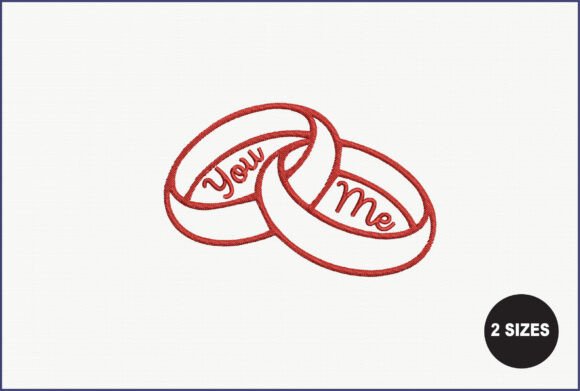
As an embroidery designer who has spent years refining stitches for both personal projects and commercial lines, I approach every new digital file with a mix of excitement and skepticism. Today, I am reviewing the Wedding Embroidery design, specifically the "You and Me Wedding Rings" motif. This is not just about whether the design looks good on a screen; it is about how it performs when transferred to fabric, how it feels in the hands of a customer, and whether it holds up as a viable product for your shop.
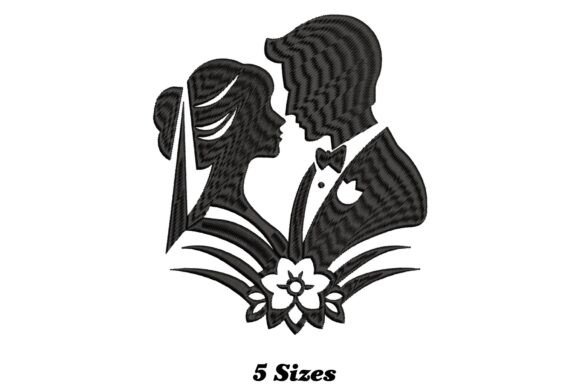
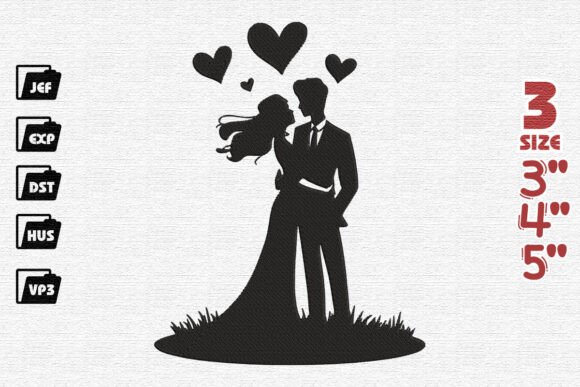
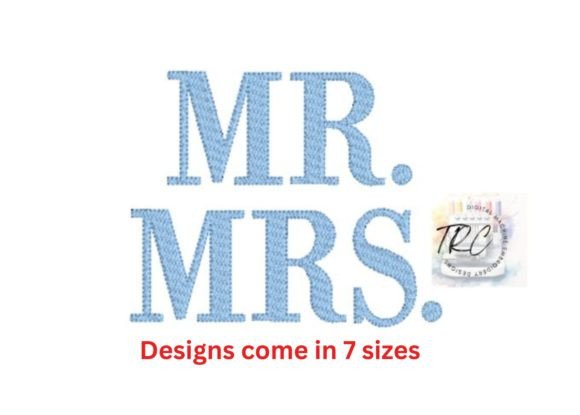
The description highlights its versatility across home decor, clothes, t-shirts, pillows, wall art, favors, and personalized wedding gifts. It mentions that the design comes with multiple elements, suggesting a layered or comprehensive kit. Here is my practical assessment after testing this design conceptually for potential real-world applications.
First Impressions: Mood and Emotional Appeal
The immediate impression of the Wedding Embroidery design is one of classic romance. The central focus on interlocking rings provides a strong, recognizable symbol that resonates deeply with couples. For a gift recipient, seeing their initials paired with such a universal symbol of commitment creates an instant emotional connection. It feels sweet, elegant, and timeless rather than trendy, which is crucial for a product meant to be kept as a keepsake.
From a design perspective, the charm lies in its simplicity. It does not rely on overly complex floral arrangements or busy backgrounds. Instead, it lets the rings do the talking. This makes it highly adaptable. Whether you are aiming for a rustic farmhouse aesthetic or a modern minimalist look, this core motif can anchor the design effectively. It strikes a balance between being playful enough for a bridal shower favor and sophisticated enough for a formal wedding present.
Product Applications and Use Cases
One of the strongest selling points of this machine embroidery design is its adaptability. In my planning phase for a hypothetical personalized gift shop, I immediately visualized several high-value products where this design would shine.
- Personalized Towels: An embroidered towel is a staple in many households. Placing the wedding rings on a high-quality cotton kitchen towel or a plush bath towel adds a touch of luxury. It serves as a perfect housewarming gift for newlyweds.
- Pillow Covers: A decorative pillow cover featuring this design can easily transition from a wedding gift to a permanent piece of home decor. The rings motif works beautifully centered on a square pillow or flanked by monograms on a lumbar cushion.
- Baby Keepsakes: While primarily a wedding theme, this design can be repurposed for "Baby Embroidery." Imagine the rings combined with baby footprints or the phrase "Our Little Miracle." This bridges the gap between a wedding gift and a nursery item, extending the lifecycle of the product.
- Custom Tote Bags: For a more casual approach, stitching this onto a canvas tote bag creates a functional yet sentimental accessory. It is ideal for bridal party members or as a take-home favor at a wedding.
- Aprons: A custom apron with the wedding rings motif is a thoughtful gift for the couple who loves to cook together. It combines utility with sentimentality.
For Etsy sellers and small business owners, these applications offer a wide range of listing options. You can market the same digital embroidery file across different niches, from bridal showers to anniversary gifts.
Where Caution Is Required
While the design is versatile, there are specific areas where care must be taken to ensure a professional finish. Not all fabrics and surfaces are created equal, and ignoring these nuances can lead to customer dissatisfaction.
Fabric Texture and Thickness: Thick towels, such as waffle-weave or heavy terrycloth, can pose challenges. The needle may struggle to penetrate dense layers, leading to skipped stitches or hoop burn. Similarly, textured fabrics like bouclé or rough linen can obscure the delicate details of the rings. Always test on scrap pieces of your actual product fabric before committing to a final order.
Stretchy Materials: If you plan to use this on knit fabrics, such as baby clothes or stretchy t-shirts, stabilizer choice is critical. Without proper support, the stitch density can cause the fabric to pucker or distort. A cut-away stabilizer is often recommended for knits to maintain stability during washing.
Small Details and Lettering: If the design includes small lettering or intricate inner details within the rings, check the resolution carefully. On dark fabrics or with thin thread colors, fine lines can disappear or merge. Ensure there is sufficient contrast between the thread and the background fabric.
Curved Surfaces: Applying this design to curved items like hats or fitted garments requires advanced hooping techniques. Flat surfaces like pillows and flat towels are much easier to manage for consistent results.
Impact on Giftability and Perceived Value
In the world of handmade products, perceived value is everything. A well-executed custom embroidery project elevates a simple commodity into a cherished gift. The Wedding Embroidery design contributes to this value in several ways.
First, it signals attention to detail. When a customer sees precise stitching and clean finishes, they trust the quality of the workmanship. This builds brand loyalty and encourages repeat purchases. Second, the personalization aspect—adding names or dates—creates a unique item that cannot be replicated by mass-produced goods. This uniqueness justifies a higher price point.
Furthermore, the design lends itself well to product photography. The clean lines of the rings photograph beautifully against neutral backgrounds, making it easy to create attractive listings for your online store. High-quality images drive engagement and sales, especially for platforms like Etsy where visual appeal is paramount.
Practical Embroidery Notes for Makers
Before adding this design to your production line, consider these technical steps to ensure success.
- Test on Scrap Fabric: Never skip this step. Stitch the design on the exact fabric and thread colors you plan to use. Check for puckering, thread breaks, or color bleeding.
- Check Thread Color Contrast: Ensure the thread stands out clearly against the fabric. Dark threads on dark fabric or light threads on light fabric can result in a washed-out look.
- Confirm Hoop Size: Verify that the design fits comfortably within your machine’s hoop size, leaving enough margin for handling the fabric without distorting the stitch area.
- Review Stitch Density: High-density designs can feel stiff and cardboard-like. If the design is too dense, consider reducing the stitch count if your software allows, or choose a softer fabric to compensate.
- Use Proper Stabilizer: Match the stabilizer to the fabric weight. Light fabrics need lightweight stabilizers, while heavy towels require robust backing to prevent shifting.
- Compare Mockups: Create digital mockups to visualize the final product. This helps in selecting the right fabric combinations and presenting realistic previews to customers.
- Check Small Details: After stitching, zoom in on the smallest elements. If details are lost, you may need to adjust the design or change the thread type.
- Commercial Licensing: Most importantly, review the license terms provided with the embroidery file. Ensure you have the right to sell finished products made from this design. If the license is unclear, contact the designer for clarification before listing any items.
By following these guidelines, you can confidently integrate the Wedding Embroidery design into your collection. It offers a blend of romantic appeal and practical versatility that appeals to a broad audience. Whether you are crafting for friends or scaling up for a busy season, this design is a solid addition to your repertoire of wedding designs.