Wedding Embroidery Design Review
As an embroidery designer who spends countless hours digitizing, testing, and refining designs for commercial use, I approach every new asset with a critical eye. We are not just looking for something that looks pretty on a screen; we are looking for viability in production. When I first reviewed the Wedding Embroidery Design, my immediate focus was on its potential for small business merchandise, branded patches, and high-volume apparel decoration. The description promises to "embellish your fabrics" with a touch of "whimsy charm," which sets a specific tone. But does it hold up when stitched onto a cap front, a tote bag, or a staff uniform? Let’s break down this machine embroidery design from a professional standpoint.
First Impressions: Whimsy Meets Professionalism
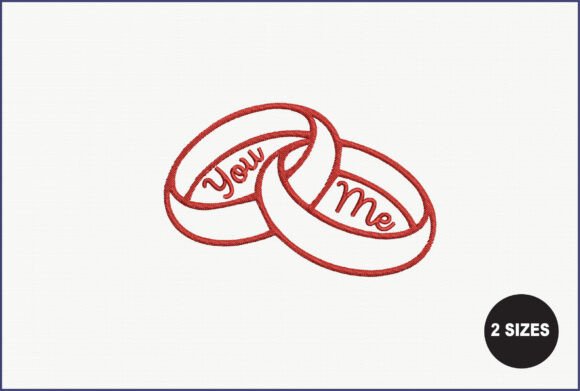
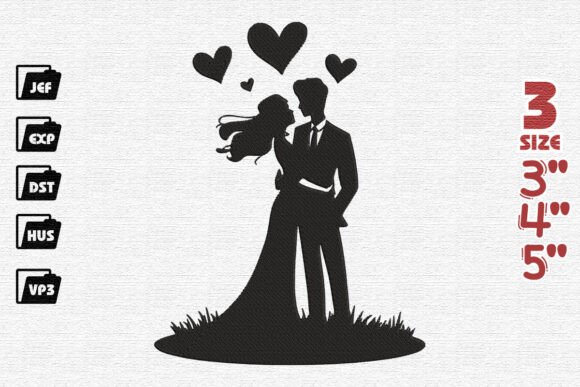
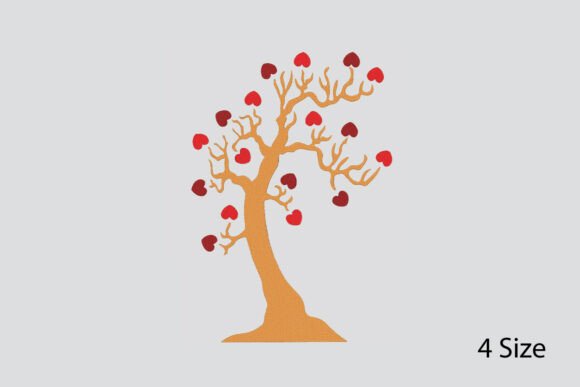
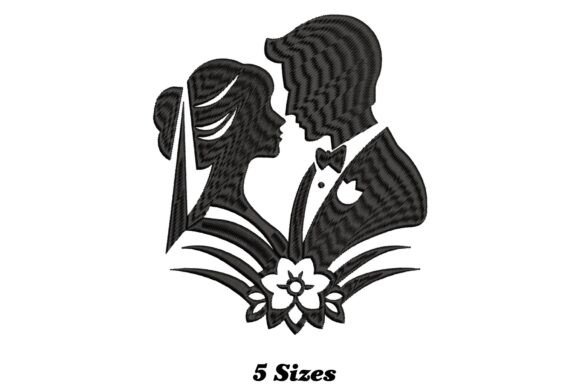
The initial visual impact of this Wedding Embroidery Design leans heavily into elegance and playfulness. The term "whimsy charm" suggests a design that is likely decorative rather than starkly minimalist. For small business owners, this is a crucial distinction. A design that feels too rigid can alienate customers seeking a handmade, boutique feel, while one that is too chaotic can look unprofessional. This design appears to strike a balance, offering a classic yet modern aesthetic that fits well within the broader category of Wedding Designs.
From a branding perspective, this design signals warmth and celebration. It is ideal for businesses that want to convey friendliness and attention to detail. Whether you are running a boutique bakery, a creative studio, or a floral shop, the visual personality of this Embroidery file suggests a premium, curated experience. It feels like a design that invites touch and appreciation, which is exactly what you want when creating physical touchpoints for your brand.
Real-World Applications for Small Business Merch
One of the most common questions I hear from Etsy sellers and merch creators is, "Where should I put this?" Based on the versatility described in the product listing, this digital embroidery file is remarkably adaptable. Here is how it performs in real business scenarios:
- Embroidered Patches: This design has strong potential as a standalone patch. The whimsical nature makes it perfect for back-of-shirt logos or lapel accents. It adds a unique identifier to plain black or white tees, making them instant conversation starters at craft fairs or pop-up markets.
- Apron Embroidery: For cafes, bakeries, or cooking classes, stitching this onto canvas aprons elevates the staff uniform. It transforms a standard work garment into a branded asset that feels personal and inviting to customers.
- Tote Bag Design: Canvas totes are a staple for handmade brands. This design works beautifully centered on the front panel or placed subtly near the handle attachment points. It reinforces the brand identity every time a customer carries their purchases through town.
- Cap Embroidery: If the design’s stitch density allows for clean execution, it can serve as a focal point on structured caps. However, curvature requires careful testing to ensure the "whimsy" doesn’t distort.
- Product Packaging Accents: Beyond apparel, consider stitching this onto hang tags or fabric labels attached to your products. It adds a layer of perceived value and shows customers that you care about the details of their unboxing experience.
Strategic Placement and Brand Identity
Using this Wedding Embroidery Design effectively requires understanding how embroidery affects consumer perception. Embroidery inherently communicates quality. Unlike printed graphics, thread has texture and depth, which catches light and draws the eye. When you apply this design to a custom apparel item, you are leveraging that tactile quality to build trust.
For a small business, consistency is key. If your logo is bold and geometric, pairing it with a whimsical embroidered patch might create visual dissonance. However, if your brand voice is playful, rustic, or romantic, this design aligns perfectly. It enhances the narrative of your brand, suggesting that your products are made with heart. This emotional connection drives buyer engagement and encourages repeat purchases, as customers often buy into the story behind the maker.
Technical Considerations and Risk Management
While the aesthetic appeal is clear, an experienced designer must also evaluate technical limitations. Not all design assets translate equally well to every substrate. Here are areas where caution is advised:
- Small Patch Sizes: If you plan to scale this design down to a 2-inch chest logo, you must inspect the fine details. Whimsical designs often contain intricate outlines or small negative spaces that may fill in with thread if the hoop size is too small. Always test at actual production size.
- Stitch Density: High stitch density can make fabric stiff and heavy, which is undesirable for soft t-shirts or lightweight tote bags. Conversely, low density might look sparse on textured fabrics. Check the file specifications to ensure the stitch count matches your intended fabric weight.
- Thread Color Contrast: The success of any embroidery relies on contrast. On dark uniforms or black caps, lighter thread colors will pop, but darker threads may get lost in the shadows of the stitches. Review the recommended thread colors against your inventory.
- Fabric Texture: Textured materials like heavy denim or boucle wool can obscure fine details. This design may perform best on smooth cottons, linens, or blends where the stitch definition remains sharp.
Practical Designer Notes for Production
Before committing to bulk production or listing items on your store, follow these essential steps to ensure quality control:
- Test in Black and White: Convert the design to monochrome to check its silhouette. If the shape is recognizable without color, the design has strong structural integrity.
- Check Hoop Size: Ensure the design fits comfortably within your machine’s standard hoops (e.g., 4x4 or 5x7 inches) to minimize re-hooping and alignment errors.
- Use Proper Stabilizer: The choice of stabilizer (cut-away vs. tear-away) significantly impacts the final look. For stretchy knits like t-shirts, a cut-away stabilizer provides necessary support to prevent puckering.
- Create a Printable Mockup: Before stitching, generate a realistic mockup for client approval or marketing materials. This helps visualize how the finished product will look in situ.
- Confirm Commercial Licensing: Most importantly, verify the usage rights. Ensure you have the legal right to sell finished goods featuring this embroidery file. Unlicensed use can lead to serious legal issues for your business.
Final Verdict
The Wedding Embroidery Design offers a compelling option for small business owners looking to add a touch of elegance and charm to their merchandise. Its whimsical yet professional aesthetic makes it versatile enough for various applications, from staff uniforms to customer gifts. By paying close attention to technical details like stitch density, fabric choice, and licensing, you can leverage this design to enhance your brand identity and create memorable, high-quality products. Whether you are an Etsy seller or a local boutique owner, this asset has the potential to elevate your offerings and connect more deeply with your audience.